
Get in touch: 201-604-3508
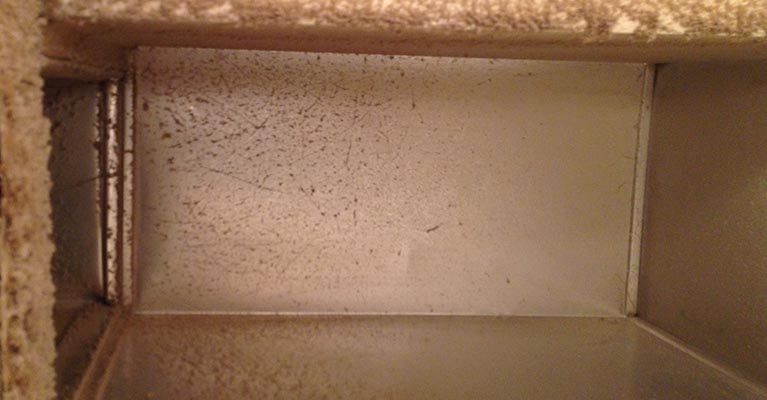

If the edges of your carpet look dark or "dirty" no matter how much you vacuum, you are probably looking at filtration soiling. It shows up as gray or black lines along baseboards, beneath door gaps, at the edges of stairs, and around furniture feet. Regular cleaning does not touch it because the problem is not only dirt on the surface - it is fine, sticky particles driven into the fibers by air movement.
This guide explains what filtration soiling is, why it happens in New Jersey homes, what you can do to prevent it, and how NJ Carpet Steamers removes it safely.
Filtration soiling is the buildup of very fine particulate matter that travels with moving air and gets trapped in carpet at:
These particles are smaller and stickier than typical tracked-in soil. They come from combustion byproducts (fireplace, candles, gas appliances), cooking oils, tobacco smoke, vehicle exhaust that slips in from the garage, printer toner, and fine house dust circulating through the HVAC system. As air takes the path of least resistance, it moves through gaps along baseboards and under doors, and the carpet acts like a filter. Targeted carpet cleaning helps release and remove this bonded residue from the fibers.
Our climate swings from humid summers to sealed-up, heated winters. Two local realities make filtration lines worse:
 Ask for Special Seasonal Offers
These are common conditions people often mistake for mold, but they are actually different:
Upgrade HVAC filters
Use a higher MERV (within your system's specs) and change on schedule. For many homes, MERV 11-13 is a good balance. This cuts down the amount of ultrafine particulate circulating.
Seal the gaps
Where possible, caulk baseboard-to-drywall gaps, seal plumbing or cable penetrations, and check returns for leaks. Reducing air leakage reduces the "filter" effect at carpet edges.
Manage combustion sources
Limit candle use, trim wicks, and choose clean-burning options. Use your stove vent when cooking. Keep the fireplace and chimney serviced.
Door position and ventilation
Leave interior doors cracked when running HVAC so air can pass through rooms without squeezing under door sweeps. Improve the replacement of air removed when using exhaust fans.
Vacuum correctly
Use a vacuum with a sealed body and a genuine HEPA filter. Run a crevice tool along baseboards and under door gaps weekly. It will not remove set-in lines, but it slows them down.
Routine cleaning is a must
Schedule professional edge-focused cleaning before the heating season and again after winter. Regular maintenance stops permanent staining.
Filtration soiling needs a different approach than a standard pass with a carpet wand. Here is our typical process:
We identify fiber type, construction, dye stability, and the severity of the lines. We test a small area with a specialty edge pre-conditioner to confirm safe results.
The area should be thoroughly vacuumed with crevice and edge tools to remove loose particulate before chemistry touches the fiber. This step matters.
We apply a dedicated filtration-soil agent designed for soot and oily binders. It is different from general traffic lane cleaners. We allow proper dwell time without over-wetting the baseboard area.
We use soft bristle detail brushes, edgers, or micro pads to work chemistry into the fiber tips without damaging them. For stair edges, we use hand tools for precision.
We perform a careful hot-water rinse and extraction with edging tools that recover moisture right at the wall line. The goal is maximum soil removal with minimal water.
Some lines require multiple light passes rather than one heavy pass. We repeat targeted treatments where needed.
We set the pile, towel the baseboard edge, and use air movers for quick dry times. Fast drying prevents wicking and water marks.
A quality protector can be added optionally on the cleaned edge to help resist re-bonding of fine particles. This would make future maintenance easier.
Note: Older, long-neglected filtration lines can leave a faint shadow where the stain penetrated deeper or where fibers are permanently discolored. In those cases we will set realistic expectations at the start and discuss options with you.
We will let you know onsite if we believe that our cleaning services will provide you with satisfactory results.
If you run a fireplace often, burn candles, or cook without strong ventilation, move the seasonal perimeter clean to twice a year.
If your baseboards are framed by dark lines, you are not stuck with them. Call NJ Carpet Steamers and ask for filtration soiling treatment. We will inspect, explain the plan, and clean the edges the right way, so your rooms look finished again, not outlined in gray.